## Clearance: Quality Proxy for OSM Replication ## SotM 2026 Frédéric Rodrigo - Teritorio frederic@teritorio.fr <img src="include/logo-teritorio.svg" height="50px"/> <img src="include/nlnet.svg" height="50px"/> <style> li li { font-size: 70% } li li li { font-size: 90% } code { font-size: 80%; background: #F3F3F3 } </style> --- ## Context - OSM Continuous update: add, update, improve, fix - Deploy changes quickly - ➡ But need Quality Assurance POIs (local gov.), road network (civil defense)... 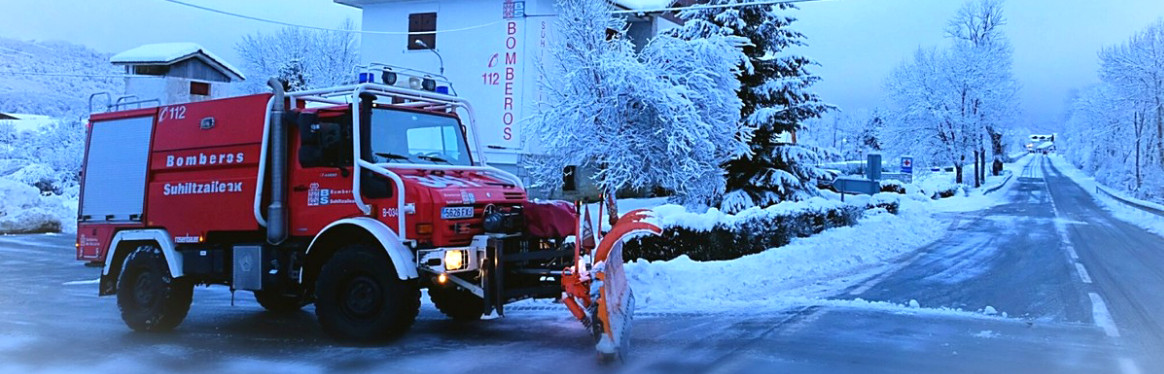 ---- ## Expectation - Review potentially harmful changes - Focus on objects that matter - Minimize human review workload - Significant and comprehensive changes - Deploy OSM changes fast - Work on OSM data format, not GIS - Then reuse all the OSM ecosystem tools --- # Check changes # But when? ---- ## Existing QA Process Check for - State Before Contributions - Editors: JOSM Validator - State After Contributions - QA Review: Keep Right, OSM Inspector, Osmose-QA* - Changes After Contributions - Changes Review: OSMCha ---- Another way is possible ## Check Before Replication ---- ## Fuzzy Update Never know about incoming quality updates 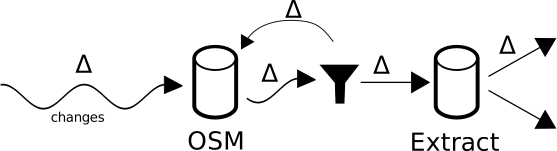 ➡ Filter incoming changes ---- ### Replication ### But with QA Filter - Import OSM Extract into Database - Import incoming Diff into Database - Without applying - Check update Quality - OK ⇒ Apply changes - Not OK ⇒ Hold on - Fix in OSM - Wait for the next OSM update to be OK Invariant: Quality of Replication is only increasing --- # Partial Update, # But coherent ---- ### Do not hold - at changeset level - at replication diff level - aka point in time - at OSM object level - aka only technical and contextless ---- ### Hold at LoCha Level ##### Spatially clustered changes Spatially coherent changes set - Hold on locally - Let other changes pass - ⇒ deploy updates quickly ---- ### Keep Coherence of Changes - LoCha: cluster within distance – semantic context - Connected component: topological connection – referential integrity - Semantic group: subpart of the same business object - business integrity - OSM Object: technical --- # Logical History #### Semantic Spatio-temporal conflation ---- ## Validation Context - Validate only what matters - in specified spatial area - by OSM tags selection - on a subset of secondary tags - Validate using tags, geometry, metadata, changeset... - Validate on time-conflated semantic objects - do not use OSM id ---- ## Time-conflated Semantic Objects Apply rules on Semantic and Comprehensive changes - Conflation between - last synchronized object versions - and held incoming version ---- ### Time-conflated Semantic Objects As a Tool: OSM Local History ([demo](https://teritorio.github.io/openstreetmap-logical-history-component/?date_start=2024-12-09T23:00:00.000Z&date_end=2024-12-14T23:00:00.000Z&bbox=-1.6537454710167148,42.685107065011486,-1.6509720668953156,42.68686379572838#locha-demo-group-33)) [github.com/teritorio/openstreetmap-logical-history](https://github.com/teritorio/openstreetmap-logical-history) 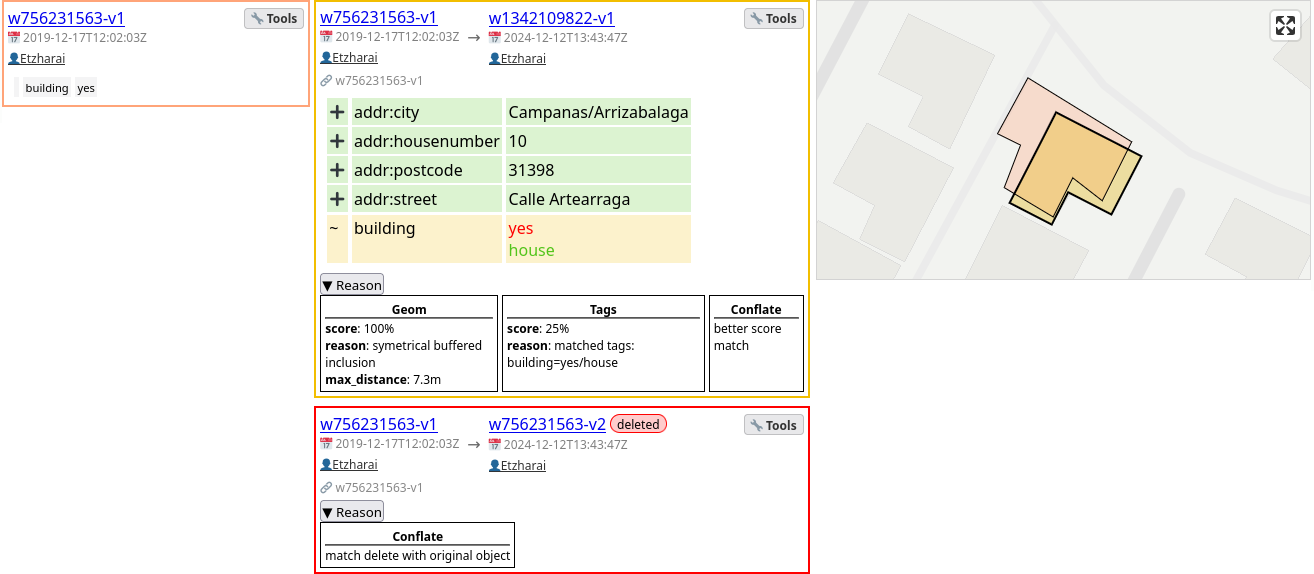 <img src="include/qrcode-osm-lh.svg" height="150px" style="position: fixed; bottom: 0; left: 0;"/> --- # Rules ---- ## Available Rules By semantic conflation match - Geometry moved > 10 m - Blacklisted tags or users - Changes by a new contributor - Changeset with comments - Hold on “hot” changes: - area still being updated - objects quickly fixed or reverted by the OSM community - Explicitly required manual review (e.g. change on defibrillator) ---- ## Available Rules By LoCha - Network continuity break - road, railway, power grid... - Should not create duplicate POIs ---- ## Next Rules New validators, funded by NLNet - Fetch user blocks and use them in score - Contributors' reputation: based on external tools / APIs ---- ## Roadmap: Rules New validators - Reformatted tag values: e.g. `phone` - Alternative tagging schemas - `highway=path` + `bicycle=designated` ⇄ `highway=cycleway` - External Rules - Like MapCSS from JOSM or Osmose-QA validation - Match with External Datasets - Conflation by ref or geometry - Geometry acceptability - Tags acceptability ---- ## Roadmap: Rules Improvement - Delayed: function of parameters (user score, etc.) - Network: subclass it - Road network with oriented edges, road barriers - Power grid --- # Roadmap: Optimization ---- ### Optimization: too much data Store, process and update many OSM extracts Small areas projects - Campuses... - ➡ Use alternative sources - Overpass API, GeoDesk/GOL/Parquet or ohsome-planet/Parquet Sparse objects, in a full country - Bicycle routes - Emergency POIs - ➡ Use a partial database - Require **augmented diff** or a way to _rescue_ missing referenced objects ---- ### Optimization: too big Big objects and Big LoCha clusters - Country boundaries, big multipolygon landuses... - Large network and relations - route and route relations, power grid... ➡ Hard to keep LoCha _local_ Need for better splitting strategy. ---- ### Optimization: too much computation - Stop update process on nothing to update - Time-conflating using sparse matrix ### <s>Optimization</s>: more computation Replace greedy conflation with a least squares matching resolution --- # Clearance ---- ## Clearance ### as OSM Data Proxy Standard Input / Output - OSM PBF Extract - Diff update: according to validation order Acts as an Overpass-like API to access validated DB - [Overpass Language parser in Rust](https://github.com/teritorio/overpass_parser_rust) - [Overpass conversion to SQL query](https://github.com/teritorio/Underpass-API) ---- ## Clearance - Demo [app.clearance.teritorio.xyz](https://app.clearance.teritorio.xyz/france_ile_de_france_poi/changes_logs?filterBySelectors=[amenity=townhall]&filterByAction=geom_changes_significant#locha--1970824353-group-0) - https://github.com/teritorio/clearance 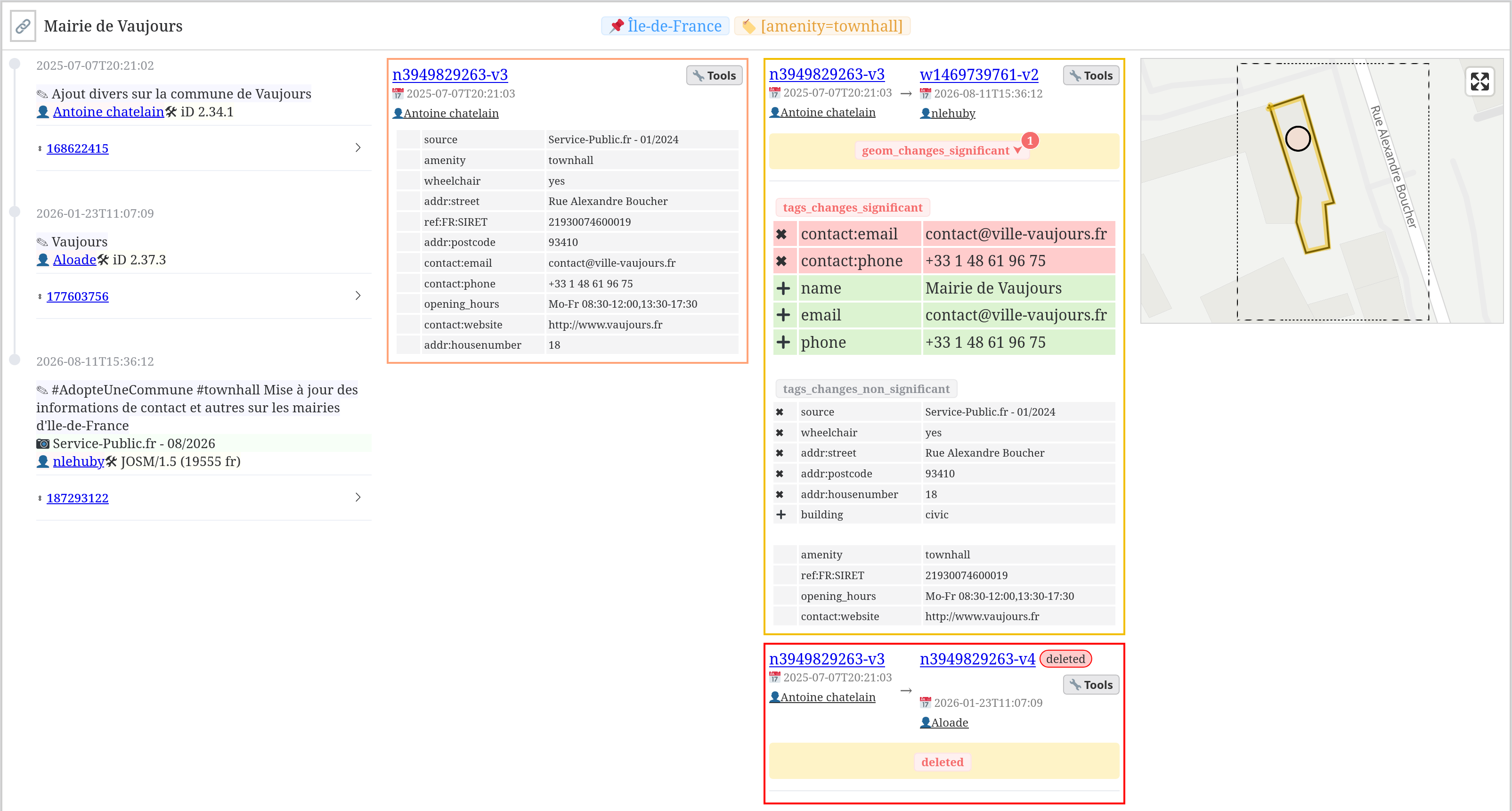 ---- ## Clearance OSM Extracts sync only with qualified changes  Setup your own Instance or ask for a demo project on our public instance https://app.clearance.teritorio.xyz ---- ## Clearance `takeaway=slides` https://app.clearance.teritorio.xyz  https://s.carto.guide/fhn54m <img src="include/logo-teritorio.svg" height="50px" style="position: fixed; bottom: 0; left: 0;"/> <img src="include/nlnet.svg" height="50px" style="position: fixed; bottom: 0; right: 0;"/>